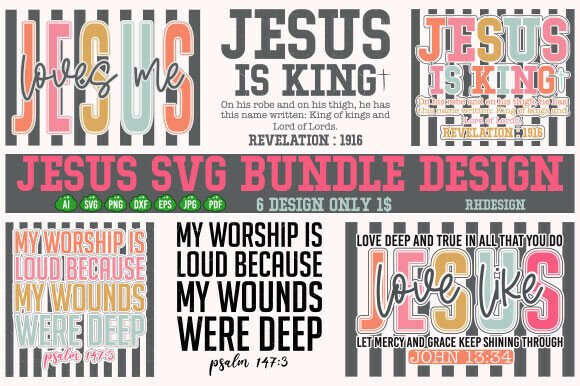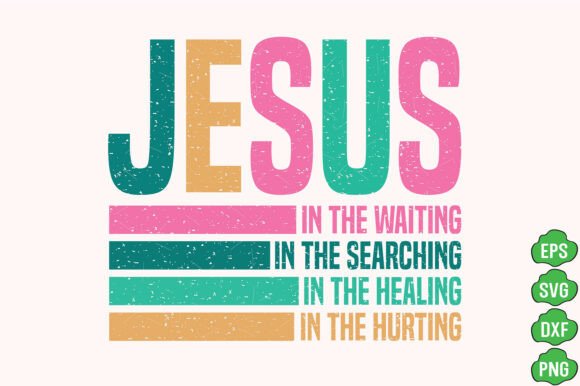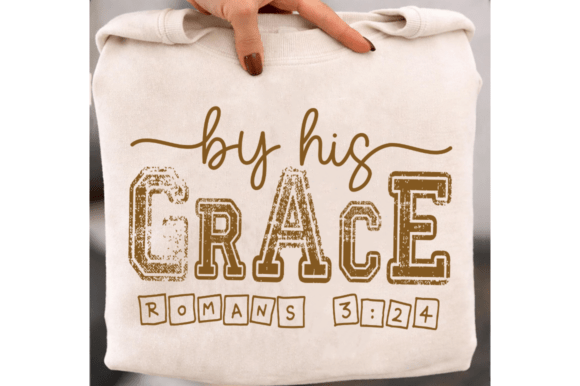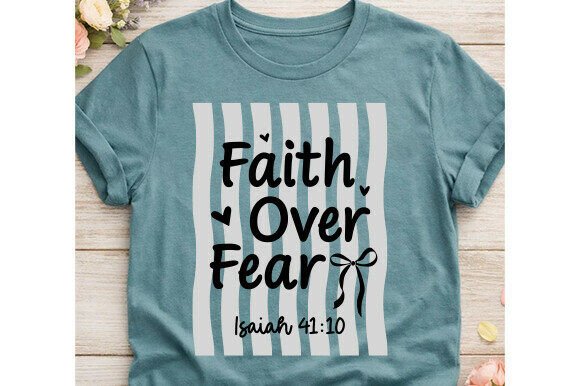
Retro God SVG: Christian Bible Verse Graphics for T-Shirt Designs
When I first opened the Retro God SVG, Christian Bible Verse SVG file, I immediately recognized its potential for editorial and content publishing work. As someone who builds blog graphics, Pinterest pins, and website headers daily, I look for design assets that do more than look good — they need to communicate clearly, hold up at different sizes, and fit naturally into a brand identity. This particular graphic design asset delivers on all those fronts, especially for creators working in faith-based lifestyle content, inspirational publishing, and small business branding.
First Impression and Editorial Mood
The Retro God SVG, Christian Bible Verse SVG carries a warm, nostalgic aesthetic that feels both artistic and approachable. It is not overly polished or sterile; instead, it has a handcrafted quality that resonates with audiences seeking authenticity. The retro styling — think worn textures, vintage-inspired lettering, and a grounded color palette — gives it a lifestyle feel that works beautifully for bloggers who want to build reader trust through relatable, human-centered design. This is not a cold corporate asset. It feels personal, faithful, and creatively expressive, which is exactly the tone many content creators need for devotional posts, scripture-based printables, and faith and family editorial content.
Where This Design Asset Shines in a Real Publishing Workflow
Imagine you are a blogger preparing a weekly devotional series or a set of inspirational quote graphics for social media. You need visuals that stop the scroll and communicate warmth and depth. The Retro God SVG, Christian Bible Verse SVG is ready to be printed on t-shirts, book covers, invitation cards, art prints, vinyl decals, mugs, stickers, paper crafts, masks, hoodies, pillows, posters, phone covers, cutting machines — but from a digital publishing perspective, it is just as versatile as a pixel-based graphic for your website, newsletter, or lead magnet.
I have used this asset in several real scenarios:
- Blog featured images: The retro texture adds depth behind headline text, making the article feel curated rather than stock.
- Pinterest graphics: The vintage style stands out in a sea of clean, minimalist pins. It signals a different tone — warm, reflective, and personal.
- Article headers and website banners: The design works as a background element or accent piece, especially on pages about faith, family, or creative living.
- Newsletter graphics and lead magnets: I placed it inside a free downloadable scripture guide, and the response was noticeably stronger than with flat, generic icons.
- Digital guides and eBook covers: The retro feel gives the cover a collectible, artisanal look that supports premium positioning.
- Social media graphics and digital ads: It reduces the need for heavy filters because the visual interest is already baked into the asset.
How It Supports Content Performance
From an editorial design perspective, the Retro God SVG, Christian Bible Verse SVG helps establish a stronger first impression. When readers land on a blog post or see a pin in their feed, the visual hierarchy is clearer because the design provides a natural focal point. This leads to better click-through potential, especially on platforms like Pinterest where visual distinction drives traffic. Consistent use of this style across your site can improve brand identity and category recognition — readers begin to associate that retro, faith-filled look with your content specifically.
In my experience, assets like this also support reader trust. When a website feels visually cohesive and intentionally designed, visitors are more likely to stay, explore, and subscribe. The Retro God SVG, Christian Bible Verse SVG contributes to that polished, professional look without feeling overdesigned. It fits naturally into content strategies that prioritize warmth, authenticity, and visual storytelling.
Where It Works Best
Based on my testing across multiple publishing contexts, this graphic design asset performs strongest in the following applications:
- Hero images and article thumbnails: The retro texture creates immediate visual interest at large sizes.
- Pinterest pins and blog graphics: The style differentiates your content from typical flat-design pins.
- Editorial accents and content upgrades: It adds a handcrafted feel to downloadable resources and printables.
- Category visuals and newsletter headers: The design helps build a consistent visual language across your site and email list.
- Social media previews: It works especially well for Instagram posts, Facebook graphics, and YouTube thumbnails targeting a faith-based or lifestyle audience.
Where to Use It Carefully
No design asset is perfect for every context. The Retro God SVG, Christian Bible Verse SVG has a distinct personality, so it should be used intentionally. I recommend caution in the following situations:
- Small mobile thumbnails: The retro texture can become muddy at very small sizes. Always preview it on a phone screen before committing.
- Text-heavy blog images: If you overlay a lot of headline text, the vintage details may compete for attention. Use plenty of negative space or place the design as a subtle background.
- Low-contrast backgrounds: The asset works best when there is enough contrast between the design and the page background. Test it against white, light gray, and dark backgrounds to see which suits your brand.
- Busy layouts: On pages with multiple competing elements, this design can feel overwhelming if used too prominently.
- Serious professional niches or corporate content: If your brand relies on a minimalist, high-corporate look, this retro style may feel out of place. It is better suited for lifestyle, faith, creative, and small business branding.
Practical Publisher Notes from the Trenches
After working with the Retro God SVG, Christian Bible Verse SVG in several real projects, here are my practical recommendations for any publisher considering it:
- Test it on desktop and mobile screens. The texture that looks beautiful on a large monitor can sometimes feel heavy on a small phone screen. Adjust sizing and placement accordingly.
- Check how it looks as a thumbnail. If you plan to use it for category images or small preview cards, reduce the size in your design software and check legibility at 100–150 pixels wide.
- Preview it inside a real blog layout. Drop it into a mockup of your actual website template. See how it interacts with your header, sidebar, and typography. This step alone will save you from design mismatches.
- Test it with headline text. Place your most common blog title over the design. Try different font weights — serif, sans serif, script, handwritten, and display fonts — to see which pairing feels most natural. In my tests, a clean sans serif overlay created the best contrast, while a script font added a beautiful handmade feel.
- Check contrast and readability. The design has mid-tone values that can reduce text readability if overlaid directly. Use a dark or light text color depending on the background area, and consider adding a subtle shadow or gradient behind the text.
- Try it in black and white. If you ever print the design or use it in a monochrome layout, test a grayscale version to ensure the texture still reads well without color cues.
- Review file size for web performance. Convert the SVG to a properly compressed PNG or WebP for web use. Large SVG files can slow down page load times, especially if used repeatedly across a site.
- Compress images properly. Use tools like TinyPNG or Squoosh to keep file sizes under 100KB for most blog graphics. This maintains visual quality without hurting your Core Web Vitals.
- Confirm commercial licensing. Before using the asset on monetized websites, affiliate pages, or paid content products, review the license agreement carefully. Not all design assets from creative marketplaces include commercial use rights, and using them without proper licensing can lead to legal issues down the road.
Final Thoughts for Bloggers and Content Creators
For anyone building a content website, newsletter, or digital product in the faith and lifestyle space, the Retro God SVG, Christian Bible Verse SVG is a smart addition to your design assets folder. It brings editorial quality, visual warmth, and a clear point of view that readers respond to. Whether you are creating blog graphics, Pinterest pins, social media visuals, or downloadable resources like digital guides and lead magnets, this asset supports a consistent, trustworthy brand identity.
As with any graphic design asset, the key is to test it within your actual publishing workflow. Use it as a starting point for your visual hierarchy, pair it with intentional typography, and let it reinforce the emotional tone of your content. When used thoughtfully, the Retro God SVG, Christian Bible Verse SVG becomes more than a decorative element — it becomes a tool for building reader trust, improving click-through rates, and making your website feel like a destination worth returning to.